
If you thought white paint was, well, white, think again. There is only one true white paint and that’s pure brilliant - when no other pigment is added to the mix.
After pure brilliant white, the world’s your oyster. And yes, there is an Oyster
White paint, as sold by Sanderson. Any colour can be added to white, resulting in hundreds of white shades and hues, each with their own quality.
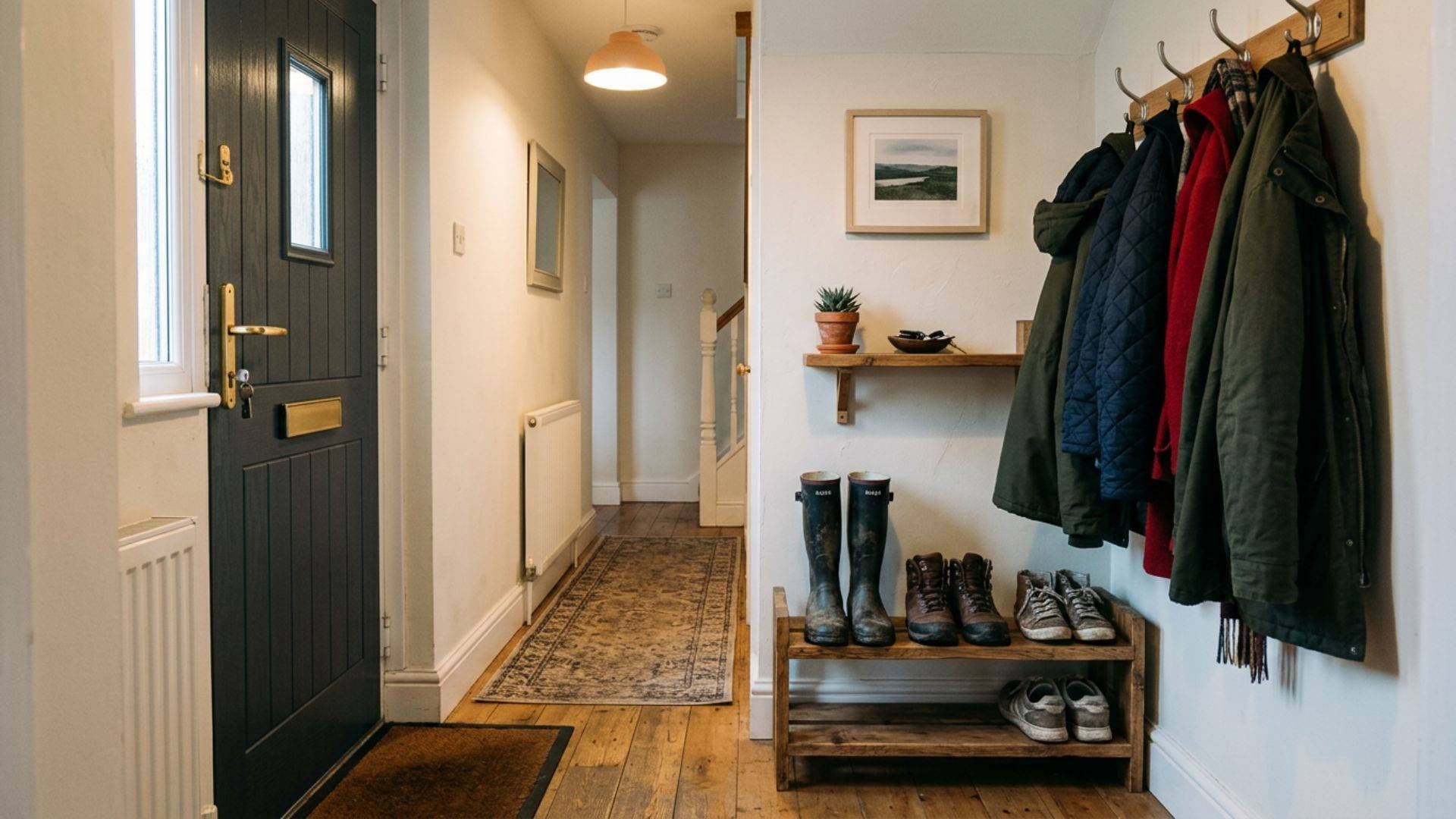
When writing about this summer’s decorating trends, The English Home declared the death of the cool white palette. Instead, we’re being encouraged to embrace warm whites that are soft and inviting.
How to tell white paint apart
So, how can you tell the difference between warm and cool white? Mixing pure brilliant white with another colour is called creating an undertone. A good way to tell
whether a white is cool or warm is to paint a patch on a sheet of white paper – printer paper is ideal. You should see a clear difference. Still not sure? Hold the paper up to the light for extra definition.
Before you write off cool whites, you need to know which way the rooms you want to decorate are facing. If you have a mobile phone, open the digital compass app to find out. Simply stand in the middle of the room, face the largest window and take a reading.
No mobile phone? No problem. You can observe the sun to tell which way a room faces. Rooms that get bright, direct all-day sun are usually south facing. Rooms that are darker, cooler and shadier during the day are usually north facing.
Orientation matters
When selling a property, you’ll want every room well balanced and that’s where cool whites can prove useful. A south-facing room can become bleached out in the height of summer. Direct sunlight can also result in spaces looking overly yellow, so using a cool white provides colour balance.
In contrast, warm whites can be used to bring life to north facing rooms. Their creamy tones lift dark corners and help banish shadows, while stopping the overall look from being too cold and clinical.
The finishing line
The type of paint finish can also influence how each room will feel. If you’re looking for a classy period-cottage type vibe, opt for a matt finish that soaks up natural light and has minimal reflective qualities.
Craig & Rose has a range of chalky matt emulsion paint for walls, with plenty of shades of white to choose from. This water-based emulsion has a soft, luxurious texture with a 3% sheen level. Farrow & Ball’s Dead Flat collection of paint is another option, developed more than 70 years ago to recreate the 18th century ‘flatted lead’ paint effect (a rich, absorbent paint finish with zero sheen). There are 38 dead flat whites to choose from, each with improved durability for busy households.
If your aim is to make a small, dark room feel brighter and more spacious, white paint should be your first choice. Dulux Light + Space does the heavy lifting. Its patented LumiTec formulation features light-reflective particles that reflect up to twice as much light back into a room, when compared to Dulux’s conventional emulsion paints. Try Frosted Dawn or Moon Shimmer in rooms that need a lighting lift.
White collections to browse
There are hundreds of white paint shades available and the only way to know what’s right for your rooms is to buy a tester. Try these brands and get painting:
We’d love to know more about your home moving plans and what you’re doing to prepare. Contact our team for a free valuation, with no obligation to sell.
Share this article


Sign up for our newsletter
Subscribe to receive the latest property market information to your inbox, full of market knowledge and tips for your home.
You may unsubscribe at any time. See our Privacy Policy.